
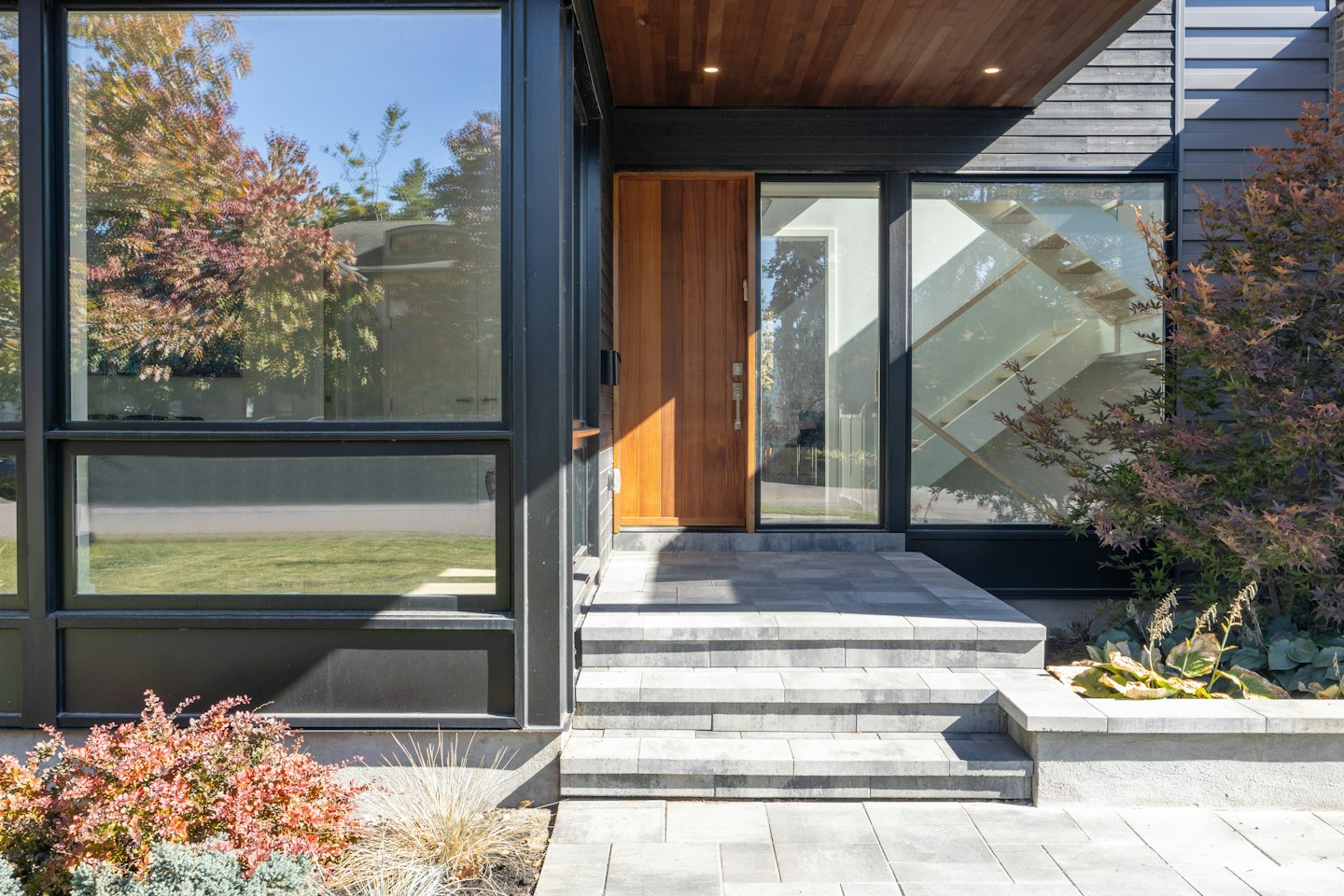
The taxi pulls up. Your front door is a few metres away. Between the two are three steps that used to be nothing much, and now need a plan.
That is the point of a better entrance. It is about getting to the appointments, neighbours and ordinary errands that make a home feel connected to the world. A ramp may be part of the answer. It cannot promise another five years at home, but it can remove one particular obstacle to coming and going.
Start with the journey, not the catalogue
Before choosing a product, look at the entire route from the pavement or parking spot to the place you sit down inside. Where does the car stop? Is there a narrow gate? Can you unlock and open the door while using your walking aid? Does the threshold catch a wheel?
Write down what happens on a difficult day, including rain, fatigue and carrying a bag. Canada’s aging-in-place guidance treats the home, practical support and changing needs as parts of the same plan. Improving the entrance is one piece of that larger picture.
Ask someone to assess your situation
An occupational therapist can help you think through the activities you need the entrance to support. A qualified accessibility contractor can then assess the site and explain what can be built there. Ask each professional what their assessment covers and what it costs.
Bring your actual mobility device to the conversation. Ask whether a ramp, a platform lift, a different entrance or another arrangement deserves consideration. The shortest-looking ramp is not automatically the most usable choice. Slope, resting space, door clearance, drainage and local requirements need a site-specific answer.
Have the winter conversation now
Picture the route after freezing rain. Who clears it? Where does snow go? Could meltwater collect at the bottom? What lighting will make the route visible after an afternoon appointment in December?
Ask the installer to put maintenance instructions in writing. If you would need someone else to keep the entrance usable, include that service in your budget. An access improvement needs a plan for the days when using it is hardest.
Compare the whole job
Request a written proposal covering assessment, materials, installation, permits where required, restoration work and warranty. For a lift, ask separately about servicing and power interruptions. If you rent or live in a condominium, find out what permissions are needed before work begins.
Ontario’s renovation guidance explains why the written contract and estimate matter. Keep photographs, drawings and agreed changes together, rather than relying on a conversation at the door.
One useful thing to do this week
Take photographs of the route, write down the three moments that cause the most difficulty, and book an assessment. You do not need to arrive knowing the correct equipment. You need to be able to say what you want to do: come home, open the door, and get on with your day.
Sources & useful reading
Researched October 16, 2026. Service details can change; confirm directly before booking.